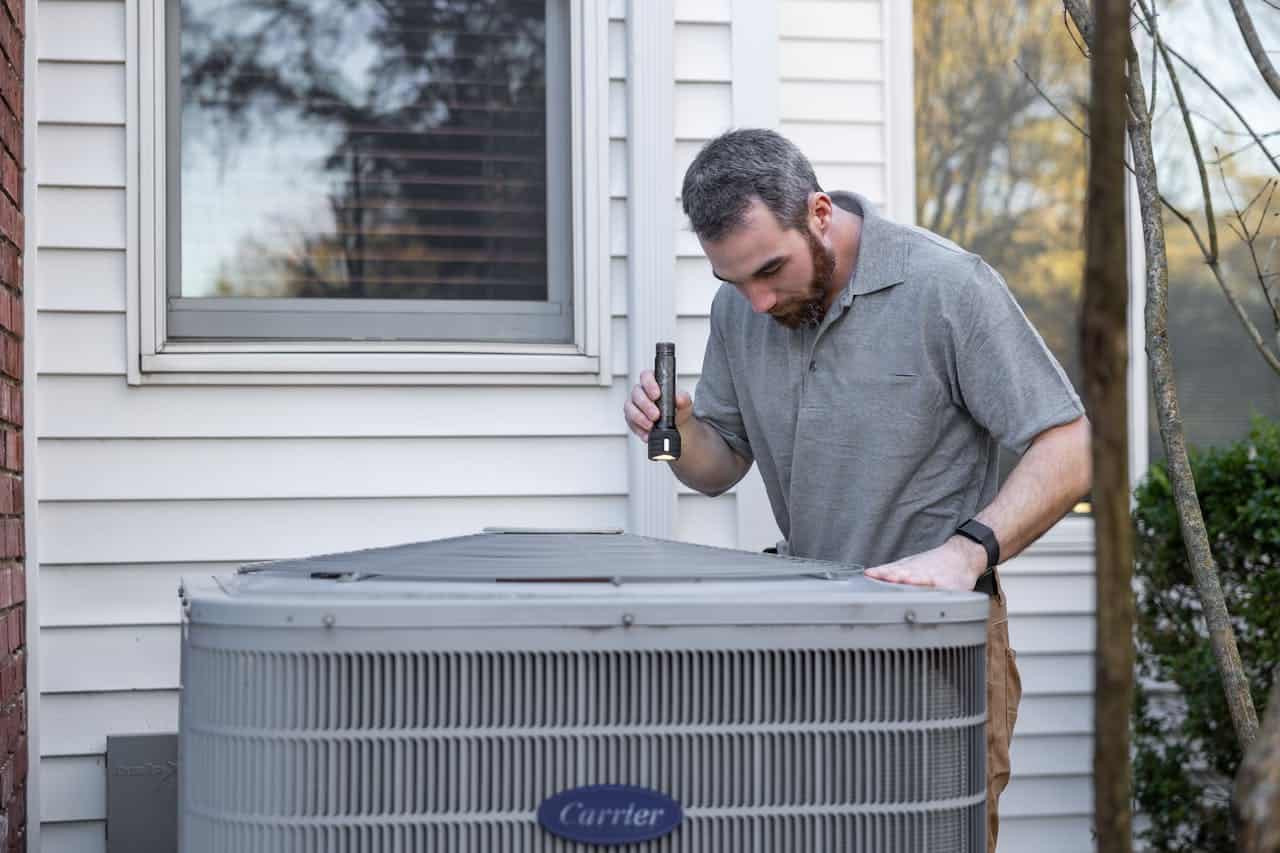

Switching from a gas boiler to a heat pump is a big step towards lower carbon heating at home. Many UK homeowners are now planning their boiler swap and like the idea of cleaner, more efficient heating that still keeps the house comfortable in winter.
When people research heat pumps, most of the attention goes on the outdoor unit and the shiny controls. The quiet star of the show is often forgotten: the radiators that are already hanging on the walls. If they are not right for a low-temperature system, even the best heat pump will struggle to keep you warm.
Heat pumps run at lower water temperatures than standard boilers. That means radiator size, style and layout matter a lot more than before. They decide how quickly rooms heat up, how even the warmth feels, and how much electricity the system uses across the colder months.
In this guide, we will look at why your radiators matter, how to spot if they are ready for a heat pump, when a heat pump radiator upgrade makes sense, and how a whole-system approach can give you cosy rooms and lower running costs at the same time.
A traditional gas boiler often sends water around your radiators at a high temperature, typically in the range people set on the boiler front dial. That hot water blasts heat into the room quite quickly, then the boiler shuts off, the room cools, and the cycle repeats.
Heat pumps are different. They work best at lower flow temperatures, often in a range around 35 to 50 degrees Celsius. Instead of short sharp bursts, they like to run steadily, topping up the background warmth gently over time.
This has a few important effects:
If you keep all your old radiators and pipework unchanged, and just swap the boiler for a heat pump, you are treating the job as a box replacement. With low-temperature systems, that approach can lead to cold rooms, high electricity use or both.
The better way is to think in terms of system design. That means looking at:
When all of these parts are planned together, a heat pump can give steady comfort from October through to the end of the heating season.
Many homes already have some radiators that are big enough for low-temperature heating, and some that are not. You do not always need a full house of new radiators to make a heat pump work well.
Common signs that your current radiators may be undersized include:
To check this properly, a professional needs to work out how much heat each room actually needs. At Eaasy Heat we carry out room-by-room heat loss calculations, taking into account things like insulation levels, window sizes and orientation. Once we know the heat demand of each space, we can compare it to what the existing radiator can deliver at a lower water temperature.
If a radiator is too small, there are several upgrade options:
Often, a targeted heat pump radiator upgrade is enough, especially in smaller or well insulated homes. You might end up changing a handful of radiators in key spaces like the living room and main bedrooms, while leaving others as they are.
Getting the radiators right does more than just stop cold spots. It helps the whole system run more smoothly and efficiently.
With correctly sized radiators, the heat pump can run at a lower flow temperature while still keeping you comfortable. Lower flow temperatures generally mean:
Comfort also improves. Instead of radiators that feel scorching hot at certain times, then cool and lifeless at others, you get a more steady, pleasant warmth. Rooms hold their temperature better, and there is less temptation to keep tweaking the thermostat.
You may notice:
There are longer term benefits too. A heat pump that runs at sensible temperatures, with good radiator coverage, tends to cycle less and work in its sweet spot. That can:
Upgraded radiators also help future-proof your home. If you later add more insulation, change tariffs, or add smarter controls, a low-temperature-ready radiator system gives you more options and keeps the system flexible.
When planning a heat pump radiator upgrade, there is plenty of choice. The goal is to balance output, space, and style.
Common options for low-temperature systems include:
Looks matter, because radiators are visible every day, but performance comes first in key living spaces. A slim designer radiator that looks great but cannot meet the room’s heat demand will leave you feeling cold when the weather turns.
Practical details are just as important. When we design systems, we pay close attention to:
After new radiators are installed, balancing and commissioning are critical steps. Balancing makes sure each radiator gets the right share of hot water so that one room does not steal heat from the rest. Proper commissioning of the whole system then checks that flow temperatures, pump speeds and controls all work together as planned.
The best time to think about radiators and heat pumps is usually when the heating is off. Spring and summer give enough breathing space to assess the system calmly, carry out any radiator upgrades, and have everything ready before the first cold snap.
A sensible next step is to arrange a professional home survey. At Eaasy Heat we look at your existing radiators, calculate the heat loss in each room, and then design a matched system that suits a modern heat pump. That might mean keeping some radiators, upgrading others, and making sure pipework and controls all support low-temperature operation.
Because we handle both heat pump installation and ongoing service, we see the full picture of how these systems behave over time in real UK homes. That experience goes into each design so that the radiators, heat pump and controls work together as a single, efficient system that feels good to live with through the colder months.
If you are ready to improve your home’s comfort and cut your heating bills, we can help you plan the ideal heat pump radiator upgrade for your property. At Eaasy Heat, we assess your current system, recommend the right specification and manage the whole installation from start to finish. To discuss your options or request a tailored quote, simply contact us and we will get back to you promptly.
We use cookies to improve your experience on our site. By using our site, you consent to cookies.
Manage your cookie preferences below:
Essential cookies enable basic functions and are necessary for the proper function of the website.
These cookies are needed for adding comments on this website.
Google reCAPTCHA helps protect websites from spam and abuse by verifying user interactions through challenges.
Statistics cookies collect information anonymously. This information helps us understand how visitors use our website.
Google Analytics is a powerful tool that tracks and analyzes website traffic for informed marketing decisions.
Service URL: policies.google.com (opens in a new window)
You can find more information in our Cookie Policy and .
Fill out the form below, and we will be in touch shortly.