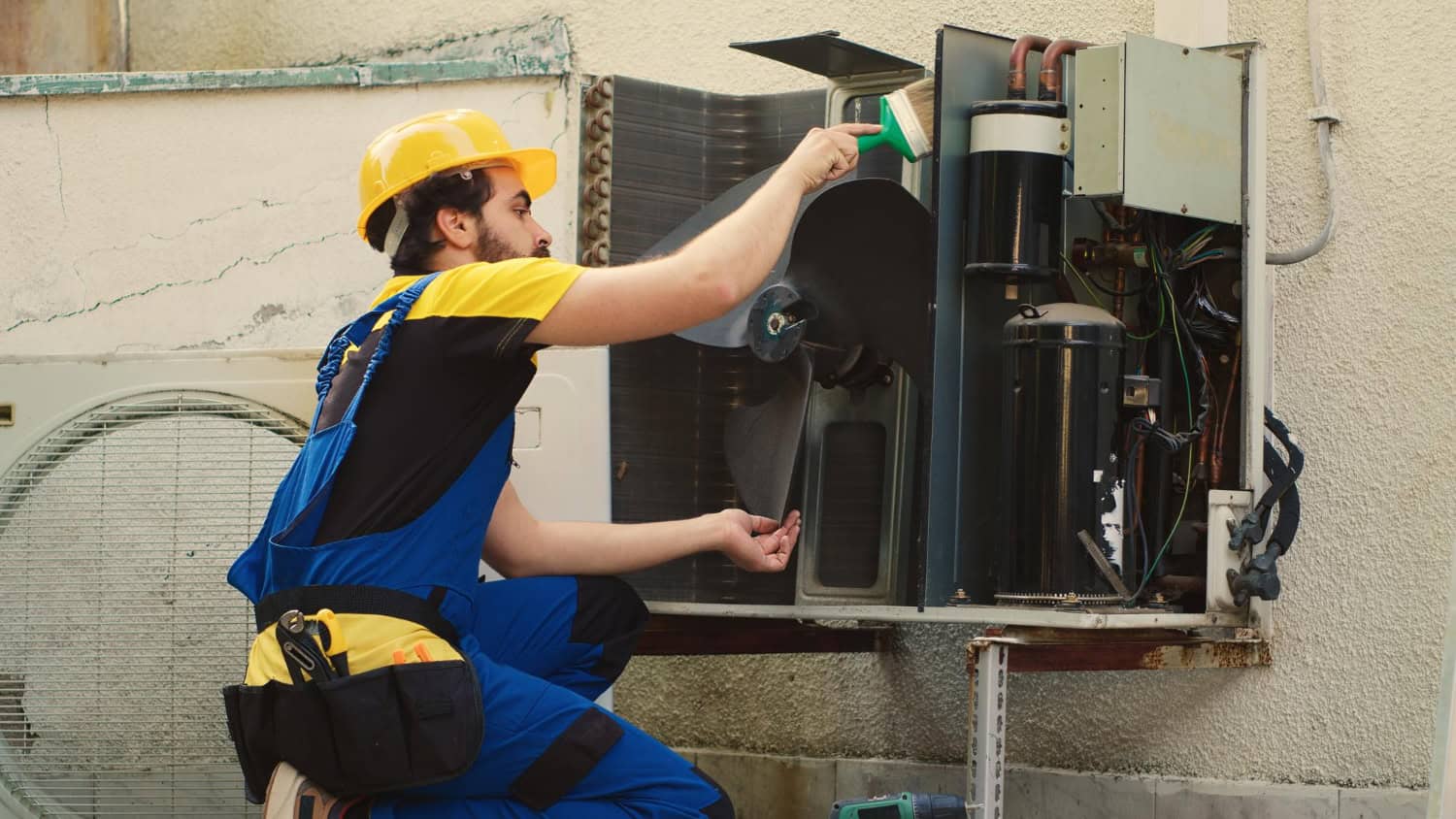

Switching from a gas boiler to a retrofit heat pump installation is a big step, but it is also one of the most effective ways to cut your carbon footprint and modernise your heating. To get the most out of a new system, your home needs a bit of planning and preparation before the installers arrive.
Spring and early summer are ideal times to do this. The heating is off or on less often, tradespeople can work without rushing, and you are not relying on the system every day. That means less stress, more time to make good choices, and a smoother changeover before colder weather returns.
When we talk about a retrofit, we mean fitting a heat pump into an existing home, not designing it from scratch like a new build. That often means some changes, such as swapping or resizing radiators, upgrading some pipework, adding or moving a hot water cylinder, and fitting new heating controls.
This can sound like a lot, but with the right preparation and a clear plan, disruption can be kept to a minimum. The aim is long-term comfort, steady indoor temperatures and lower carbon heating that works quietly in the background.
Heat pumps work differently from a gas boiler. A boiler gives quick bursts of very hot water to radiators. A heat pump provides lower-temperature heat for longer periods. The result is a more gentle, even warmth rather than a sharp on-off feeling.
Because the water is cooler than a boiler system, your home needs to hold on to that heat well, and your radiators or underfloor heating need enough surface area to spread it. That is why we talk so much about insulation and emitter sizing. If the heat can escape quickly or the radiators are too small, the system has to work harder to keep rooms comfortable.
A typical retrofit heat pump installation will include some or all of these parts:
Before any work starts, a professional survey is key. For a retrofit, we would usually check existing pipework sizes and condition, measure every room and assess radiator performance, look at current hot water demand (including showers and baths), confirm where the outdoor unit and cylinder can go, and talk through how you use your home day to day. This upfront design work makes sure the system is matched to your property, not just dropped in to replace the boiler like-for-like.
The building fabric is simply the shell of your home: walls, roof, floors, windows and doors. Improving this is often the single most effective step you can take before fitting a heat pump.
Better insulation and draught-proofing mean:
Practical upgrades to consider include:
Spring and summer are usually the best times to tackle this work. It is easier to have builders on site, you can open windows for ventilation and you are less worried about short periods without heating. By the time autumn arrives, your home fabric is in better shape and ready for a low-temperature system.
A bit of planning around space and services will make the installation smoother and avoid surprises once work starts.
For the outdoor unit, you will usually need:
Inside, the main space requirement is often the hot water cylinder. Many UK homes already have an airing cupboard, which can be ideal, but we may need to replace an old cylinder with a more suitable one, move or remove loft tanks if you are going to a mains pressure system, create access to pipe runs in floors or ceilings, and choose sensible locations for room thermostats and wiring centres.
Electrics are another important part of a retrofit heat pump installation. The system will add to the electrical load in your home, so the consumer unit might need checking or upgrading. A good installer will:
Doing this planning ahead of time helps avoid last-minute changes or delays.
Once design and planning are done, the actual installation can begin. For a typical retrofit, work on site usually takes several days, depending on the size of the property and how much pipework or radiator change is needed.
During that time, the team should explain:
You can make things easier by:
After installation, there is a short period of getting used to the new system. Heat pumps like to run for longer, at lower temperatures, so your habits may shift a little. Key points for daily life include:
A well-designed and set-up system should feel simple and reliable once it is bedded in.
If you are starting to think seriously about a retrofit heat pump installation, a bit of homework now will help. Useful information to gather includes:
When speaking to potential installers, it helps to ask clear questions, such as:
At Eaasy Heat, we focus on designing and installing energy efficient heat pump systems that are tailored to real UK homes. A proper home survey is the foundation of that, giving us the information needed to plan a retrofit that fits your space, your routines and your comfort needs for the coming heating seasons and beyond.
If you are ready to improve your home’s comfort and efficiency, our team at Eaasy Heat can guide you through every stage of your retrofit heat pump installation. We will assess your property, explain your options in plain language and provide a clear, itemised quotation. To discuss your project or arrange a survey, simply contact us and we will be in touch promptly.
We use cookies to improve your experience on our site. By using our site, you consent to cookies.
Manage your cookie preferences below:
Essential cookies enable basic functions and are necessary for the proper function of the website.
These cookies are needed for adding comments on this website.
Google reCAPTCHA helps protect websites from spam and abuse by verifying user interactions through challenges.
Statistics cookies collect information anonymously. This information helps us understand how visitors use our website.
Google Analytics is a powerful tool that tracks and analyzes website traffic for informed marketing decisions.
Service URL: policies.google.com (opens in a new window)
You can find more information in our Cookie Policy and .
Fill out the form below, and we will be in touch shortly.