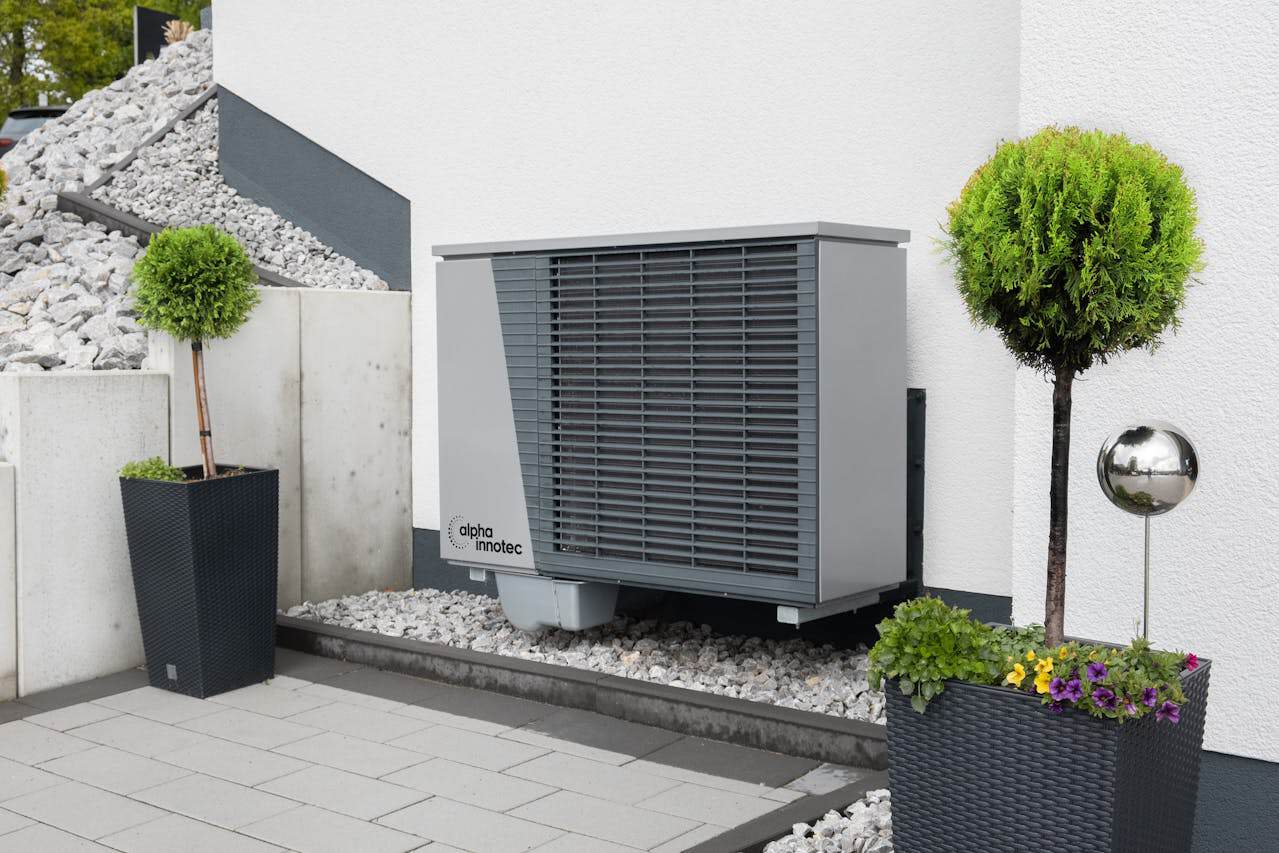

Switching from gas or oil to a low-carbon heating system is no longer just an environmental choice, it is fast becoming a financial one too. As fossil fuel prices rise and traditional boilers edge towards a phase-out, the incentives for installing air source heat pumps have grown stronger. Government funding is designed to bridge the gap between old and new technology, helping with the upfront cost and rewarding efficient, low-carbon homes.
At Eaasy Heat, we specialise in renewable heating and solar for UK homes, so we see firsthand how the right funding can turn a big decision into an affordable upgrade. In this article, we explain what heat pump government funding is available, who typically qualifies, how the application and installation process works, and how to combine heat pumps with solar and smart controls for long-term savings. Our aim is to give you clear, practical guidance so you can decide if a funded heat pump system is right for your home.
The main support for homeowners in England and Wales currently comes through a national grant scheme focused on replacing fossil fuel boilers with low-carbon systems. This type of scheme has included the Boiler Upgrade Scheme and similar programmes, which offer a fixed contribution towards the cost of installing an air source heat pump. The grant is usually paid directly to the installer and taken off your quote, so you see a reduced price rather than waiting for reimbursement.
Alongside this, support in England and Wales, there are separate schemes in Scotland and Northern Ireland. The details are different, but the principle is similar, helping households move from gas or oil to cleaner systems. Because the rules and funding levels can vary, it is important to check what applies where your property is located, especially if you are close to a national border or have more than one home.
Most heat pump funding focuses on technologies that cut carbon and improve efficiency. That often includes:
Some schemes also recognise the benefit of combining technologies. Pairing a heat pump with solar panels, or adding better insulation and controls, can increase your overall savings and make your home more comfortable, which is why we often look at the whole property rather than a single product.
Most grants are aimed at homeowners rather than tenants. You usually need to own the property and be replacing an existing fossil fuel system, such as a gas, oil or LPG boiler. In many cases, the system must be installed by an accredited installer, often one that works to recognised standards for design and performance. Using a qualified installer is not just a funding requirement, it also gives you more confidence that the system will work as expected.
Property suitability is just as important as ownership. Heat pumps work best in homes that hold on to heat, so there are often minimum insulation expectations, such as having basic loft insulation in place. While not every wall or window needs to be upgraded, a poorly insulated home will usually need some improvements before a heat pump can deliver the comfort and running costs you want. Existing radiators and pipework may be suitable, or they may need adjusting for lower flow temperatures.
Location and income can also influence the support available. Some areas offer extra help for:
These top ups can sit alongside the main grant, so it is worth checking both national and local programmes. We help homeowners understand how these different layers of support fit together in practice.
The process usually starts with a simple enquiry and an initial conversation about your current heating, your property, and your goals. If a heat pump looks like a good fit, the next step is a home survey. At Eaasy Heat we carry out detailed assessments, looking at the size of each room, existing radiators, insulation levels and outdoor space for the heat pump unit. This allows us to design a system that is properly sized rather than a rough estimate.
Once the design is agreed, we prepare a clear proposal, including any eligible grant funding. In many schemes, the installer handles the formal grant application on your behalf. That typically involves submitting property details, the proposed system design, and evidence that both the product and installer meet scheme rules. You may need to confirm that you are the property owner and that you are replacing an older fossil fuel system.
To keep the process smooth, it helps if you gather a few details in advance:
Installation itself is usually carried out over several days, depending on the size of the system and any radiator or cylinder upgrades. There will be some disruption, as with any major heating work, but we plan the schedule so you are without heating or hot water for as little time as possible. Once installed, the system is commissioned, tested and handed over to you with clear instructions. The final stage is issuing the relevant certificates and confirming that the grant conditions have been met.
A heat pump is already an efficient way to heat your home, but combining it with solar and smart controls can push your savings further. Solar panels generate electricity that can be used directly by the heat pump, cutting the amount you need to buy from the grid. On bright days, your heating and hot water can be largely powered by your own roof.
Smart controls add another layer of benefit. Modern thermostats and controls can:
When electricity prices vary by time of day, shifting heat pump operation towards cheaper rates can significantly reduce running costs. Some households also consider battery storage, which can store solar energy or cheap off-peak electricity to use later.
We often recommend a whole-home approach, looking at insulation, windows and draught proofing as part of the plan. Reducing heat loss means your heat pump can be smaller and run at lower temperatures, which is good for both comfort and bills. Where funding supports multiple measures, combining them can deliver better value than doing each upgrade in isolation.
Heat pump government funding is generous compared to many previous schemes, but it does not cover every scenario or every cost. A common misunderstanding is that all property types will qualify automatically. Listed buildings, flats or homes in conservation areas may need extra checks or permissions, and some may not meet scheme rules at all. It is important to get clarity on eligibility early before making any commitments.
Another frequent issue is system design. If a heat pump is too small, it may struggle on the coldest days and rely on expensive backup heaters. If it is too large, it can cycle on and off, reducing efficiency and comfort. Choosing an installer that understands proper sizing and system design is just as important as the grant itself.
Before you commit, it is sensible to:
Government rules and budgets can change, so delaying a decision for too long can mean missing out on the best funding levels. By getting informed and planning ahead, you can make a confident move to cleaner, more efficient heating backed by the support that is available to you.
If you are ready to explore how heat pump government funding could reduce the upfront cost of your installation, we are here to guide you through each step. At Eaasy Heat, we assess your home, clarify your eligibility and recommend the most suitable system for your needs. Speak to our team to discuss your options or to book a survey, and we will help you move from enquiry to installation with clear, straightforward advice. If you prefer, you can also contact us to arrange a call at a time that suits you.
We use cookies to improve your experience on our site. By using our site, you consent to cookies.
Manage your cookie preferences below:
Essential cookies enable basic functions and are necessary for the proper function of the website.
These cookies are needed for adding comments on this website.
Google reCAPTCHA helps protect websites from spam and abuse by verifying user interactions through challenges.
Statistics cookies collect information anonymously. This information helps us understand how visitors use our website.
Google Analytics is a powerful tool that tracks and analyzes website traffic for informed marketing decisions.
Service URL: policies.google.com (opens in a new window)
You can find more information in our Cookie Policy and .
Fill out the form below, and we will be in touch shortly.